In today’s digital age, the word racism is everywhere. It trends on social media, sparks debates in classrooms, and dominates news cycles. But ask someone from an older generation, and you’ll hear a very different story—one filled with real pain, real struggle, and real scars.
There’s a growing gap between those who lived through the harsh reality of systemic racism, and the younger generations who’ve been taught about it but may not fully grasp its true weight. The result? A clash between lived experience and secondhand awareness.
When Racism Was a Daily Battle
For those who came of age in the 1940s, ’50s, ’60s, or even ’70s, racism wasn’t a trending topic—it was everyday life.
It meant being denied the right to vote.
It meant separate bathrooms, water fountains, and schools.
It meant being followed in stores, rejected from jobs, spat on in the street, or beaten for simply existing.
There were no viral posts or supportive comment sections. There was just fear, courage, and survival.
Real racism wasn’t about being offended—it was about being oppressed.
The Shift: From Reality to Representation
Today, younger generations have grown up with more access, more diversity, and more inclusion than ever before. They’ve seen representation on TV, in government, and across pop culture. And they’ve learned about racism through history books, movies, social media posts, and online discourse.
But here’s the catch: Being told what racism is isn’t the same as knowing it.
Many Gen Z and Millennials speak out passionately against injustice—and that’s powerful. But sometimes, the term “racism” is used so broadly that it starts to lose meaning. A bad joke, a disagreement, or even an uncomfortable moment can be labeled as racist without understanding the full context.
This can lead to outrage without education—and that’s where things get blurry.
The Danger of Redefining Racism
When everything is called racism, we risk watering down the lived pain of those who experienced its harshest forms.
We start to compare real trauma—like being lynched, jailed, or terrorized—to being offended by a meme or a misunderstood comment.
That’s not just inaccurate—it’s disrespectful.
If younger generations continue to redefine racism without grounding it in history, we risk forgetting the battles that were fought, the blood that was shed, and the voices that were silenced so we could even have this conversation today.
We Need Each Other
The truth is, that both generations matter.
Older generations carry wisdom—the kind that comes from surviving the storm.
Younger generations carry energy—the kind that drives change forward.
But to truly combat racism, we need to bridge the gap. That means listening more than reacting. Learning before labeling. And honoring those who came before us by respecting their truth.
Before we speak on racism, we need to understand it.
Additional Resources
For more insights on Racism check out the following resources:
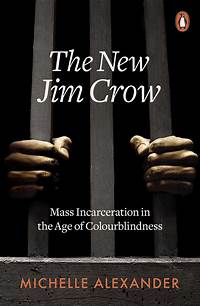
The New Jim Crow: Mass Incarceration in the Age of Colorblindness
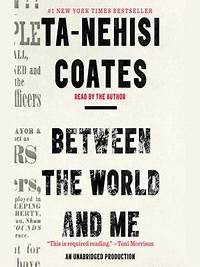
Stamped from the Beginning: The Definitive History of Racist Ideas in America
Ibram X.

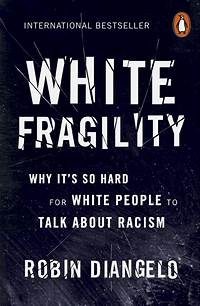
White Fragility: Why It’s So Hard for White People to Talk About Racism

Final Thoughts
Racism didn’t disappear—it evolved.
But if we forget what real racism looked and felt like, we risk letting it creep back in through ignorance and division.
So let’s talk to our elders. Let’s ask the hard questions. Let’s learn from lived experience—not just likes and retweets.
Because progress isn’t just about moving forward.
It’s about remembering where we started—and never going back.
Discover more from DominoZee
Subscribe to get the latest posts sent to your email.

 DominoZee